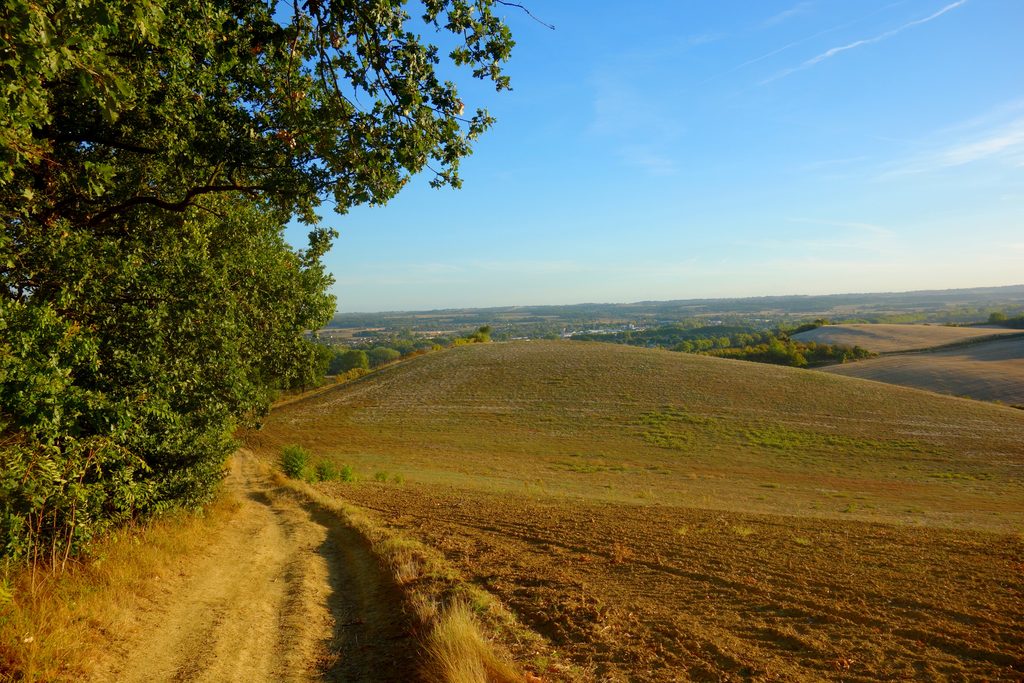
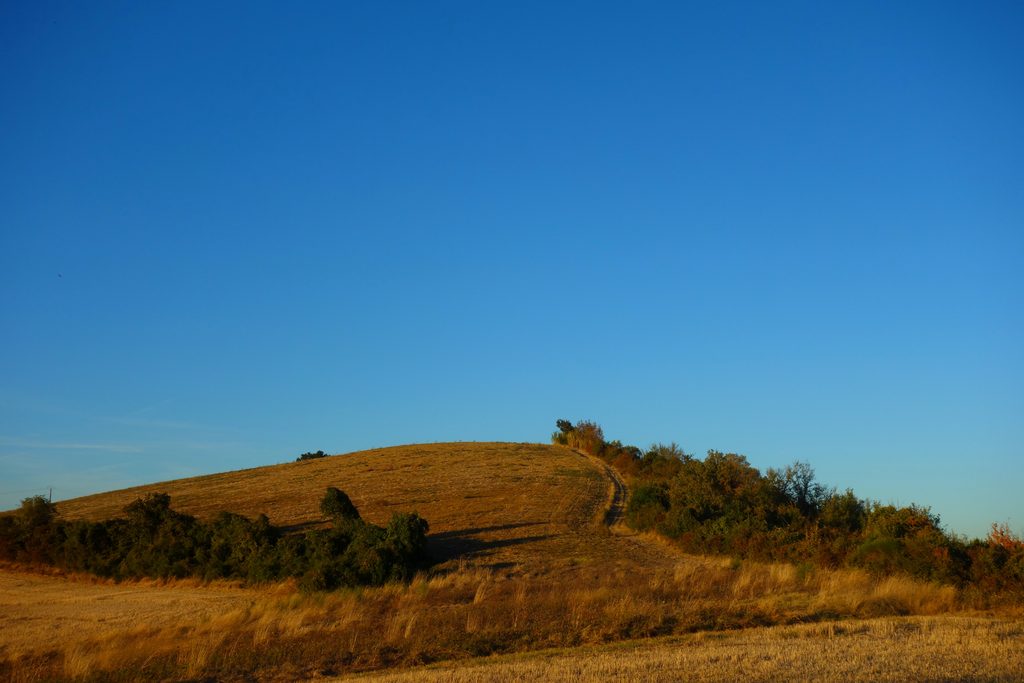
Ô Gravel organise son 8ème Surprise ride le 17 octobre, les inscriptions sont closes car complètes (repas partagé à midi dans un restaurant, le nombre de places est toujours très limité, 36 participants inscrits à cette édition), j’ai communiqué un peu plus à l’avance qu’à l’accoutumée sur le point de départ qui est une gare, les places pour les vélos dans les trains sont aussi très limitées, il faut réserver à l’avance … Ce sera la gare de Saint-Sulpice-la-Pointe. Même si le tracé est surprise et envoyé quelques jours avant l’évènement je publie cette trace « réglages » en précisant que oui nous roulerons entre Agout et Tarn mais non nous ne passerons peut-être pas exactement où je suis passé aujourd’hui et si oui, dans quel sens ? J’aime bien donner envie mais aussi brouiller les pistes …
Ô Gravel connaît très bien ce coin, aime partager ses belles balades, et vérifie toujours sur les tracés proposés lors des évènements payants l’intégralité des tracés, et souvent à une date rapprochée de l’évènement … Ce qui n’exclue pas une surprise de dernier moment : un chemin fermé, un arbre en travers, etc.
Je devais donc aller sur le terrain pour vérifier et valider certains passages …
La balade du 8ème Surprise ride sera variée ! Le restaurant qui nous accueillera pour midi est encore tenu secret …
Encore de grosses amplitudes de température, 10°C le matin et 32°c cet après-midi.
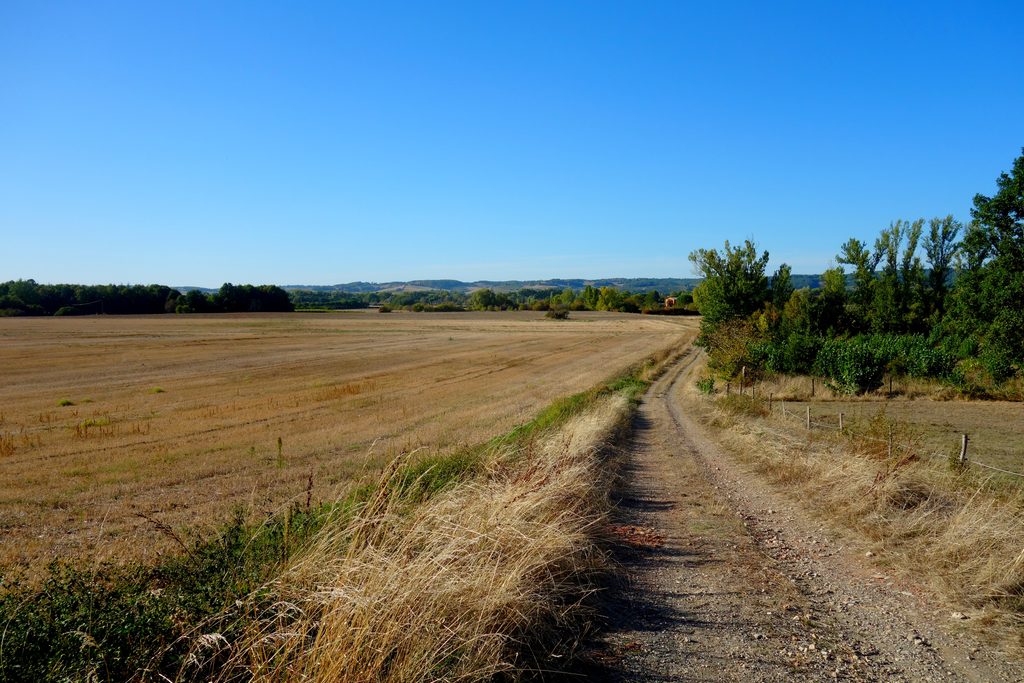
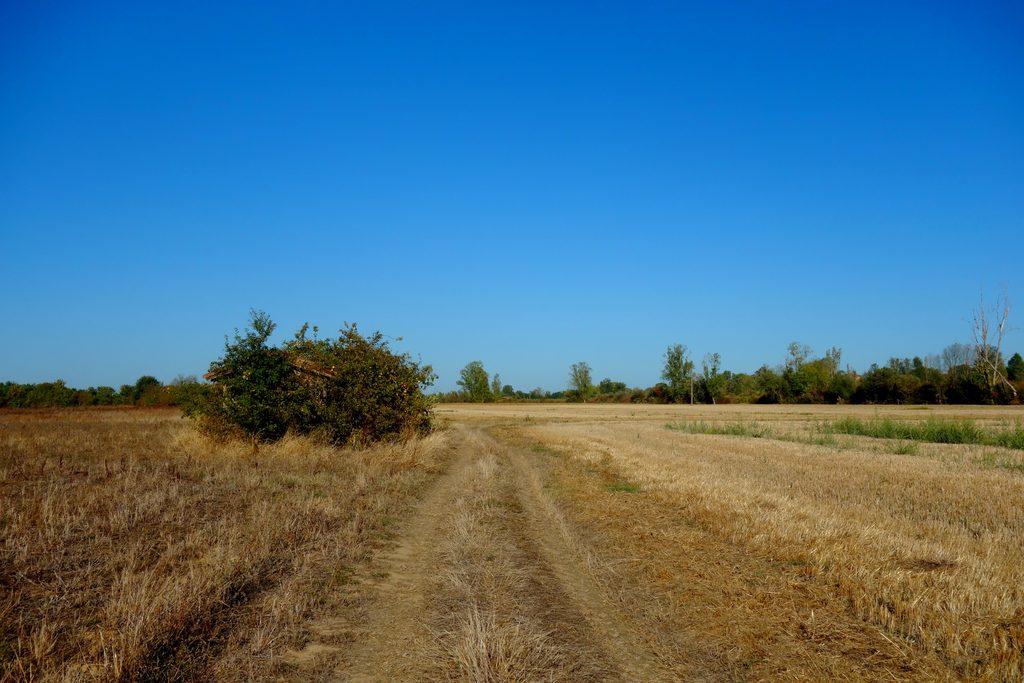
La sécheresse est toujours là, les terrains sont secs, secs, secs.
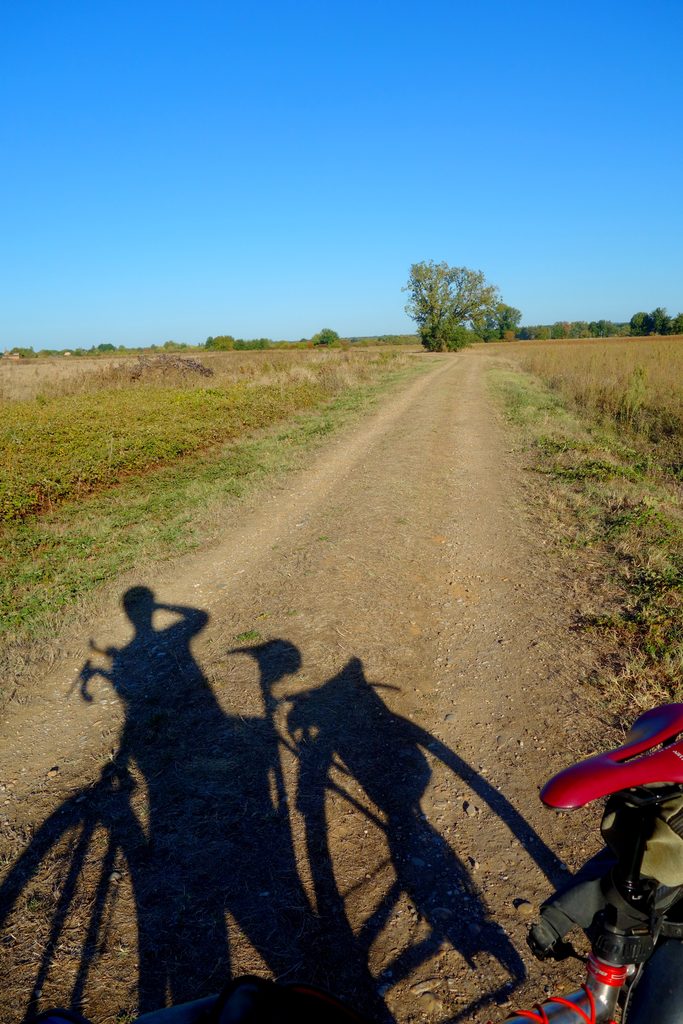
Euphorie … C’est un réel plaisir que de rouler sur les sentiers, en sous-bois, sur les pistes rurales herbeuses ou blanches (il y en a de belles dans le coin), dépaysement au moins mental (décrochage), tout proche mais si loin des tracas de la circulation routière (la balade du jour emprunte aussi de petites routes au bitume irrégulier et à l’herbe reprenant ses droits, au moins au milieu de la chaussée), le temps s’arrête, on peut flâner … Ce peut être un danger, certains accidents dramatiques en sont le bien malheureux exemple chaque année : on roule sur un chemin, on se sent bien, on traverse une petite route dans l’élan, dans l’euphorie du moment, sans faire attention, oubliant qu’un véhicule peut arriver … Ça m’est arrivé une fois, dans l’Hérault du côté de Le Pouget Canet, je roulais sur une très jolie piste bordée de talus et j’ai traversé sans ralentir une petite route, perdu dans mes pensées (j’étais très heureux de rouler là), une toute petite route à laquelle je n’avais pas fait attention à cause des talus, je ne connaissais pas le coin … Je me suis arrêté quelques mètres après pour me rendre compte que j’avais eu de la chance qu’une voiture ne passe pas à ce moment-là … On ne doit pas jouer avec cette chance, perdre est fatal. Rouler en faisant attention aux croisements qui approchent, d’autant plus si on doit traverser, s’engager sur une route (la carte sur le GPS permet aussi d’anticiper) n’est pas incompatible avec le plaisir ressenti. Dans le même ordre d’idée, quand je m’engage dans une descente sur un sentier ou une piste que je ne connais pas, je fais attention, je ne lâche pas autant les freins que sur un chemin connu (dont la morphologie peut aussi avoir changé avec les pluies, etc. J’ai pris une de mes plus belles gamelles sur un chemin que je pensais connaître « par cœur » et qui était raviné par les orages récents). De même sur un chemin à la visibilité réduite, d’autant plus quand c’est un chemin de randonnée, partagé … Faites attention à vous …
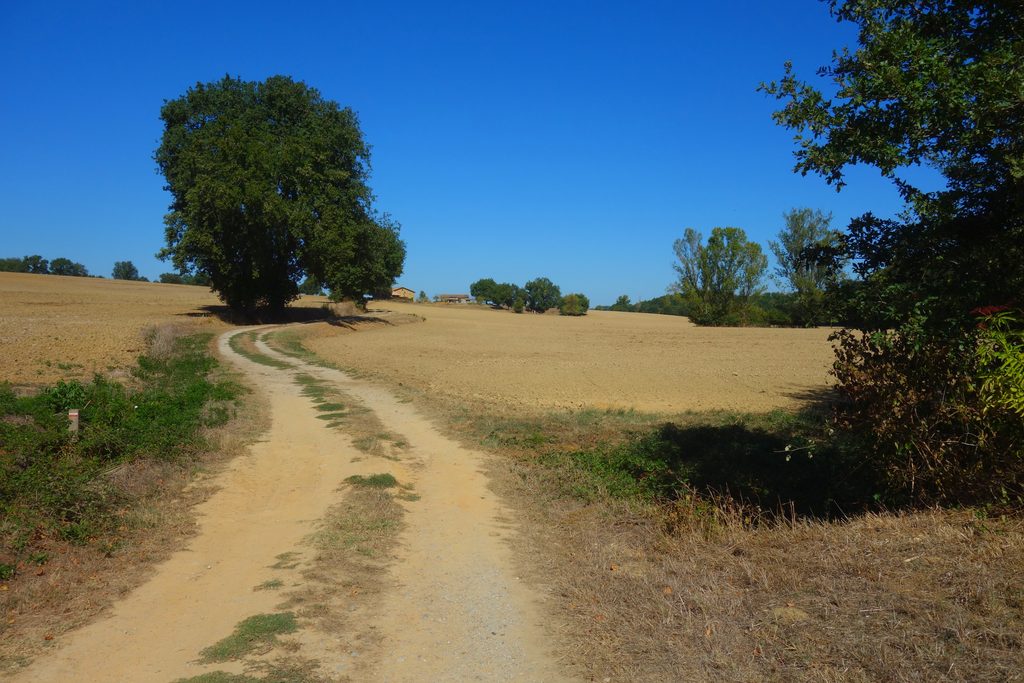
Les haies … Elles réapparaissent petit à petit mais il est intéressant de revenir à leur histoire …
Avant 1950, les haies font partie du système agricole, elles ne sont pas seulement une séparation entre deux champs, elles ont des fonctions très concrètes : clôturer les parcelles et empêcher le bétail de divaguer ; fournir du bois de chauffage et d’œuvre ; produire parfois fruits, fourrage, litière ; protéger les cultures et les animaux du vent ; retenir les sols et ralentir l’eau ; matérialiser les limites de propriété.
Mais leur déclin commence avant le remembrement : le fil barbelé, apparu dès la Première Guerre mondiale, réduit leur intérêt comme clôture ; puis le charbon, le fuel et progressivement les nouvelles techniques agricoles diminuent leur intérêt comme source de bois ou de fourrage. Leur suppression résulte d’une politique générale.
Entre 1950 et 1970 la France veut produire davantage, avec moins de main-d’œuvre, et moderniser une agriculture encore très morcelée.
L’objectif politique est clair : agrandir les exploitations, faciliter le passage des tracteurs, rationaliser les parcelles et augmenter la productivité.
C’est dans ce contexte que se développent les opérations de remembrement.µ
Mais qui demandait le remembrement ?
C’est un point important : ce n’est pas simplement « les agriculteurs qui ont décidé d’arracher leurs haies ».
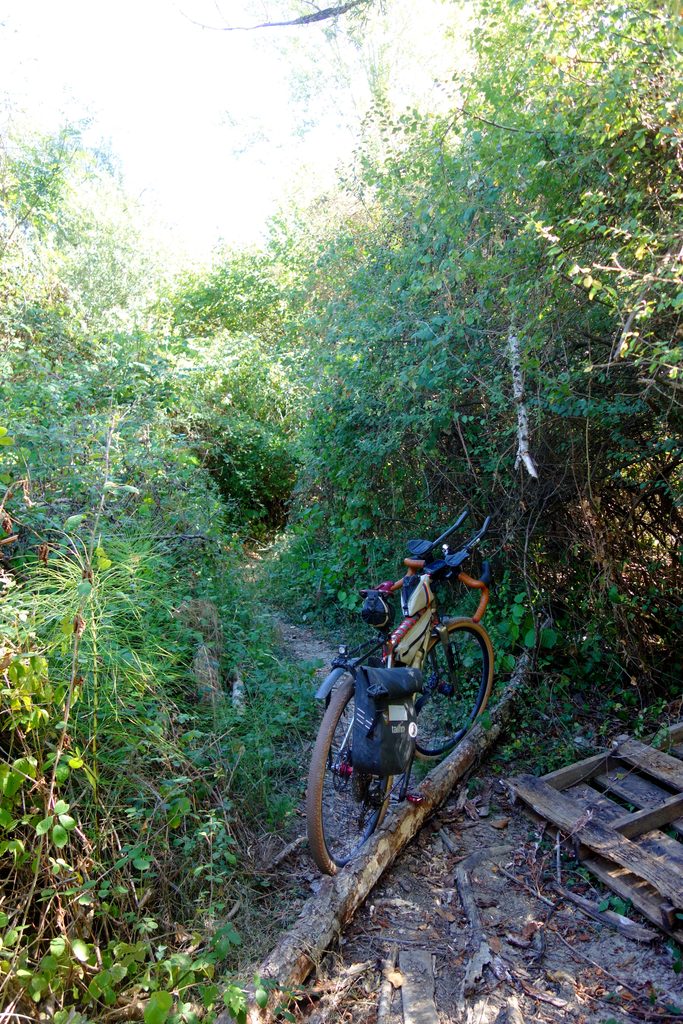
Le remembrement est une politique publique, organisée par l’État et les collectivités, avec des procédures administratives et des commissions locales. Il répond à la politique agricole nationale de modernisation.
Dans certains territoires, les agriculteurs étaient demandeurs : passer de plusieurs petites parcelles dispersées à quelques grandes parcelles était évidemment avantageux pour travailler au tracteur.
Dans d’autres, ils étaient beaucoup plus réticents, notamment lorsque les haies, talus, fossés et chemins constituaient un système cohérent adapté au territoire.
L’État encourage alors fortement cette transformation. Les opérations de remembrement des années 1950-1970 ont entraîné l’agrandissement des parcelles et l’arasement des talus, avec parfois des destructions réalisées contre l’avis de certains agriculteurs, il est important de le rappeler.
L’idée était alors parfaitement cohérente avec le modèle agricole recherché : une grande parcelle régulière est beaucoup plus facile à labourer, semer et récolter avec un tracteur et une moissonneuse.
Entre 1950 et aujourd’hui, environ 70 % du linéaire de haies des bocages français a disparu. L’administration attribue cette évolution principalement à l’effet combiné du remembrement, de la mécanisation, du recul de l’élevage et de la transformation des systèmes agricoles.
Dès les années 1960, des agronomes et des naturalistes s’inquiètent de la disparition des talus et des haies.
Et en 1971, l’INA conserve un reportage consacré à des agriculteurs bretons qui dénoncent déjà les conséquences du remembrement.
Encore plus intéressant : en 1972, le ministre de l’Agriculture Michel Cointat reconnaît lui-même publiquement les conséquences négatives du remembrement et déclare qu’il ne faut pas tout raser, le bocage ayant notamment une fonction biologique.
On commence donc à passer progressivement de « La haie est un obstacle à la modernisation. » à « La haie rend aussi des services à l’agriculture et au territoire ».
C’est un peu comme ces grandes vagues de revégétalisation des villes : les parcs existaient, les arbres étaient là, les cours d’école étaient en gravier ou en terre, on a tout bétonné sous prétexte de modernisation et on revient arrière, l’être humain est décidément un très mauvais élève, il n’apprend pas de ses erreurs …
À partir des années 1970-1980, le raisonnement commence donc à s’inverser.
La haie devient (ou plutôt redevient) progressivement : un élément du paysage ; un refuge pour la faune ; un moyen de lutte contre l’érosion ; un élément de régulation de l’eau ; un brise-vent ; un auxiliaire de l’agriculture.
Puis, avec les politiques environnementales et la PAC, apparaissent progressivement des aides au maintien et à la plantation.
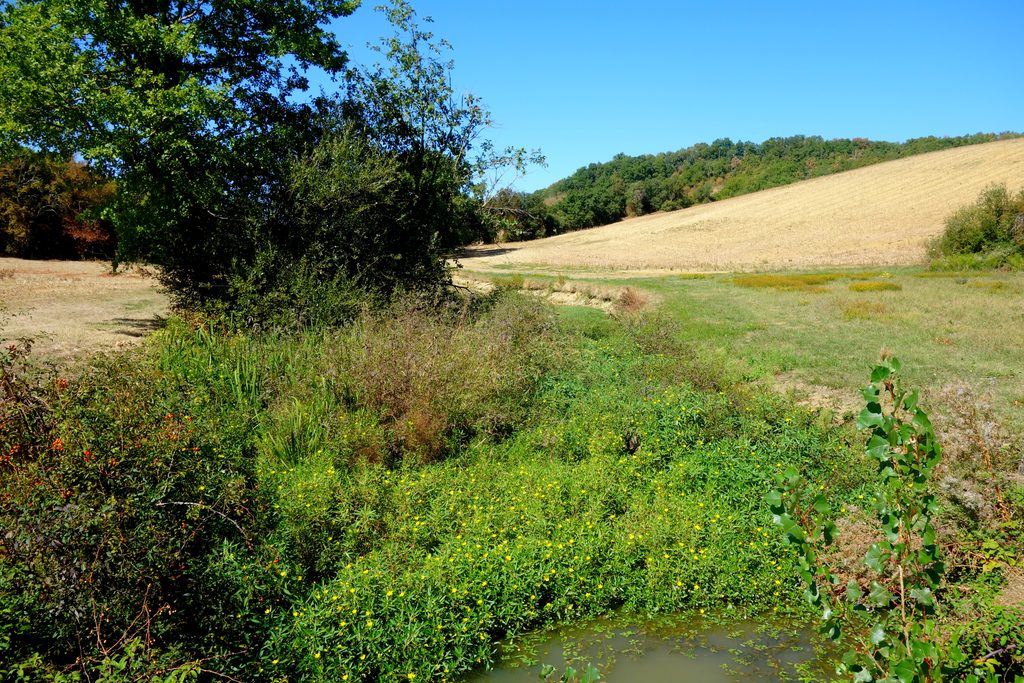
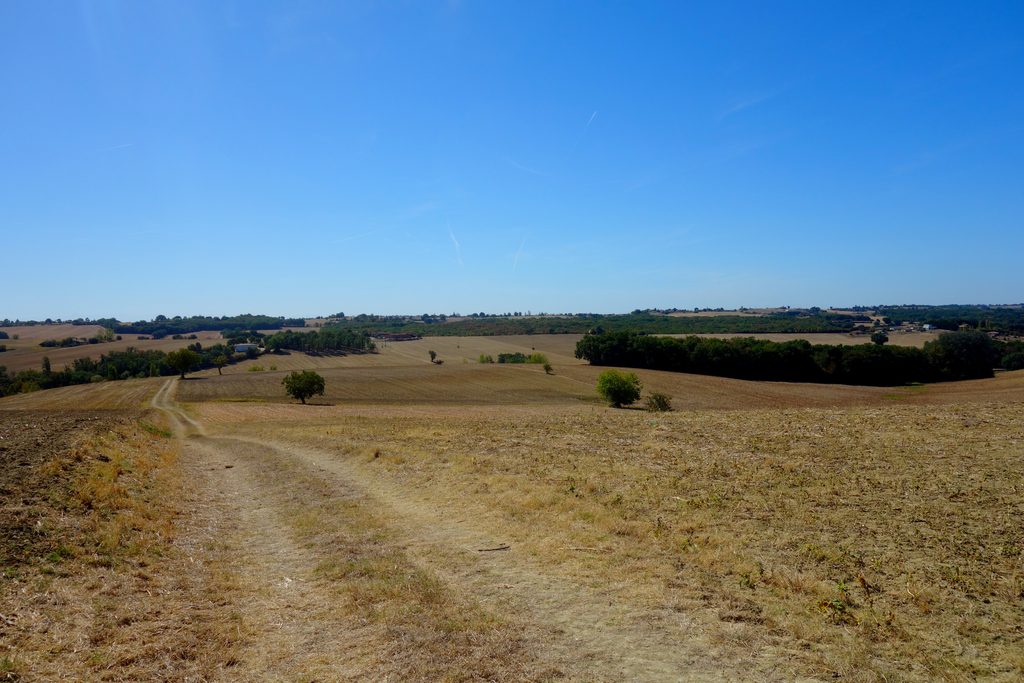
Le paradoxe est assez extraordinaire : pendant plusieurs décennies, l’argent public a contribué à supprimer les haies ; quelques décennies plus tard, l’argent public est mobilisé pour les replanter.
Les politiques agricoles européennes des années 2000-2010 commencent notamment à intégrer le maintien des arbres et des haies dans les dispositifs de la PAC.
Depuis les années 2010 : la haie redevient un outil agricole.
On ne parle plus seulement de « paysage ».
On redécouvre ses fonctions agronomiques : limitation du vent ; ombrage du bétail ; limitation de l’érosion ; infiltration de l’eau ; stockage du carbone ; biodiversité ; auxiliaires des cultures ; amélioration du fonctionnement des sols.
En 2015, l’État lance le premier Plan national de développement de l’agroforesterie (2015-2020).
La PAC commence également à protéger davantage les haies existantes. Depuis 2015, par exemple, règles encadrent fortement leur destruction et prévoient dans certains cas leur déplacement avec replantation d’une longueur au moins équivalente.
Puis arrive le plan « Plantons des haies », dans le cadre du plan de relance de 2021-2022.
La politique actuelle est beaucoup plus ambitieuse.
En septembre 2023, l’État lance le Pacte en faveur de la haie, avec un objectif de gain net de 50 000 km de haies d’ici 2030 et un financement de 110 millions d’euros dès 2024.
Et le changement de philosophie est intéressant : il ne s’agit plus simplement de dire aux agriculteurs : « Ne détruisez pas les haies. »
Il s’agit de chercher à faire de la haie un élément économiquement et agronomiquement intéressant de l’exploitation, avec plantation, entretien, valorisation du bois, conseil aux agriculteurs, etc.
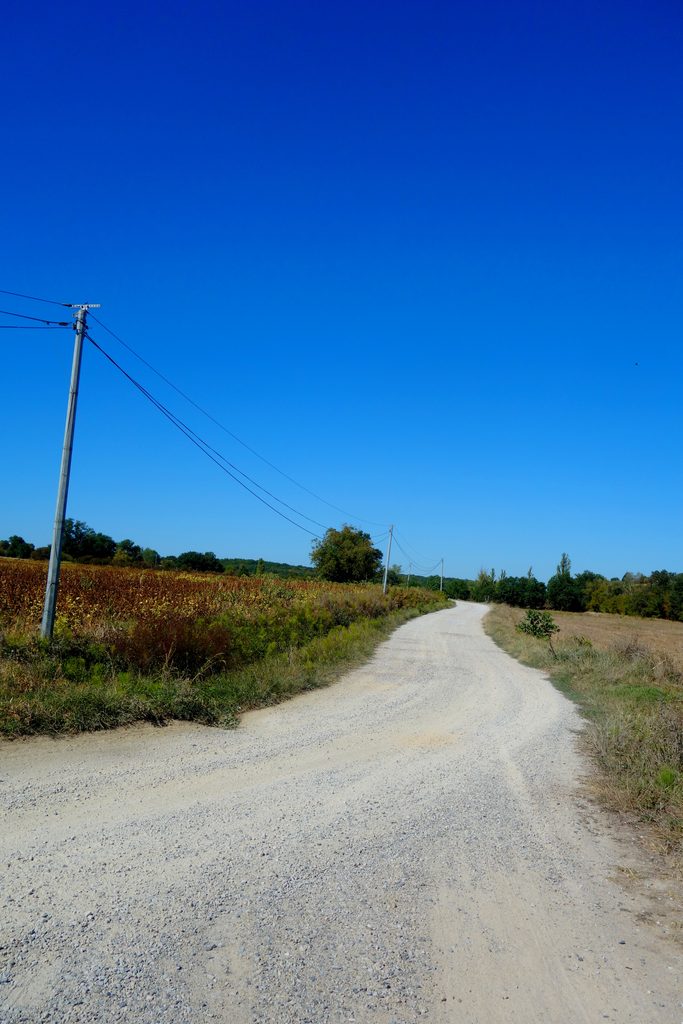
Dans ces plaines de l’Agout et du Tarn, pas beaucoup de haies et avec ces sécheresses les cultures ont souffert et les paysages agricoles sont austères. Les bois ont aussi souffert, on le vit déjà avec le nombre d’arbres qui meurent l’hiver suite aux forts vents ou aux tempêtes, ils n’ont pas l’énergie pour résister …
Les animaux aussi ont souffert, le gibier cherche l’eau et la nature, c’est difficile.
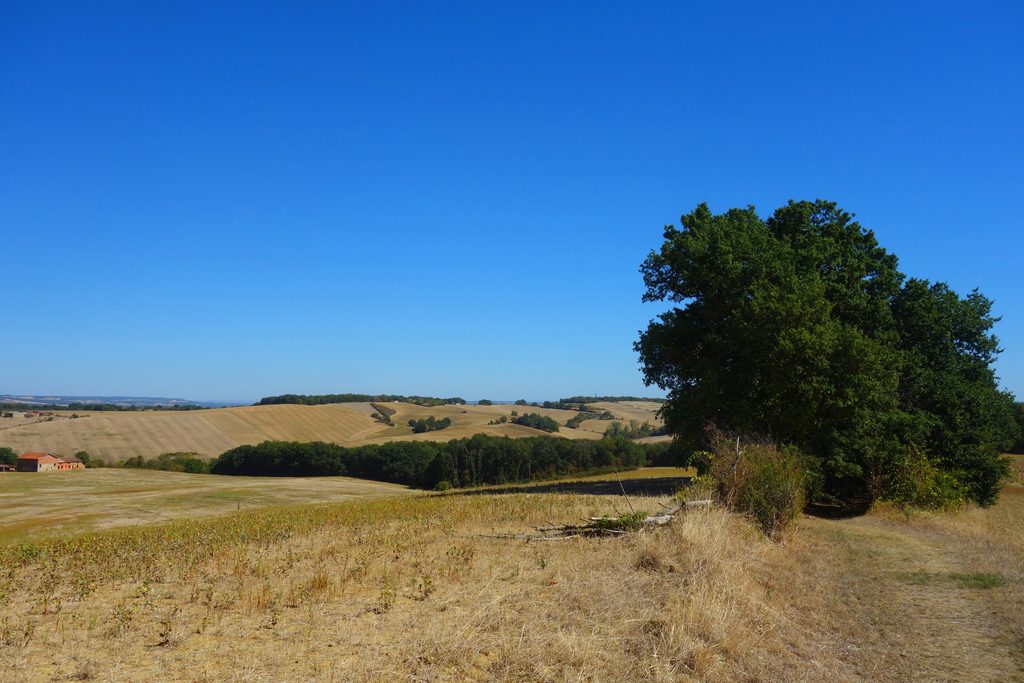
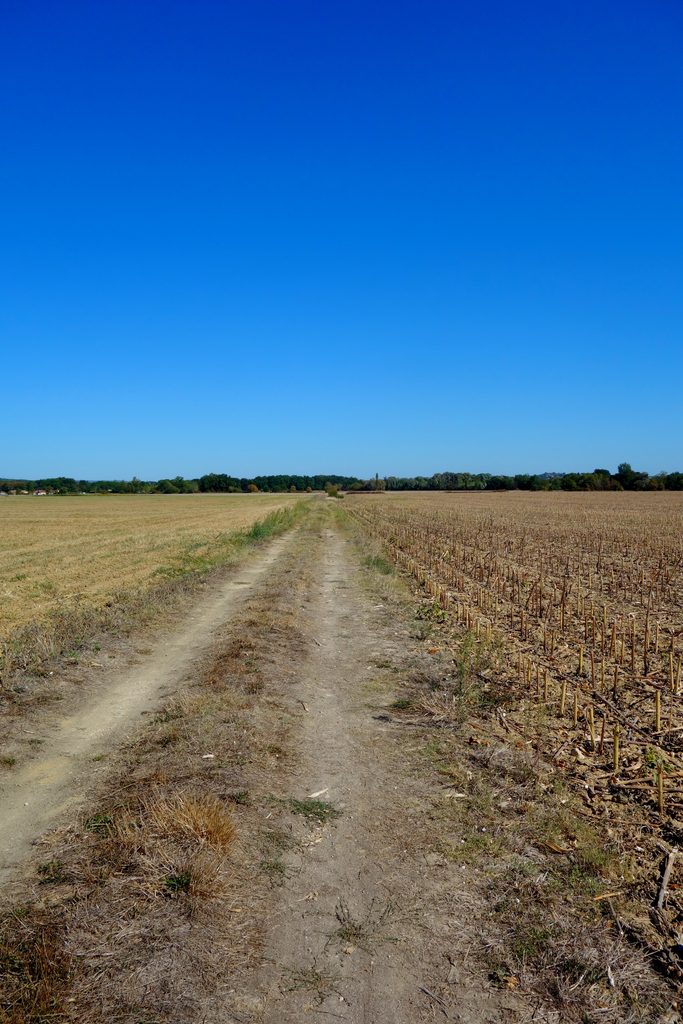
Les paysages vont sans aucun doute changer, les cultures aussi, l’eau va aussi être un problème pour nos pays privilégiés jusqu’à maintenant car c’est un privilège d’ouvrir un robinet chez soi et d’avoir de l’eau – potable qui plus est – à profusion. Il est important d’être conscient de cela et d’essayer chacun de faire attention à ce bien précieux qui devient rare …
Parcourir à vélo les territoires, les traverses par les chemins, permet d’observer ces changements tout de même préoccupants. La nature est belle, l’homme l’a façonnée, l’a exploitée, il est tant de comprendre et surtout de réagir : les ressources naturelles ne sont pas inépuisables …
Between Agout and Tarn: adjustments, euphoria, hurdles – Also in French
Ô Gravel is organising its 8th Surprise Ride on 17 October; registration is now closed as the event is fully booked (there will be a shared lunch at a restaurant; places are always very limited – 36 participants have registered for this edition), I’ve announced the starting point – which is a railway station – a little earlier than usual; space for bikes on trains is also very limited, so you’ll need to book in advance… It will be Saint-Sulpice-la-Pointe station. Even though the route is a surprise and will be sent out a few days before the event, I’m publishing this ‘test’ route, making it clear that yes, we’ll be cycling between Agout and Tarn, but no, we might not go exactly where I went today – and if we do, in which direction? I like to whet people’s appetite but also to keep them guessing…
Ô Gravel knows this area very well, loves sharing his lovely rides, and always checks the entire route for paid events – often very close to the event date… Which doesn’t rule out a last-minute surprise: a closed path, a fallen tree, etc.
So I had to head out into the field to check and confirm certain sections…
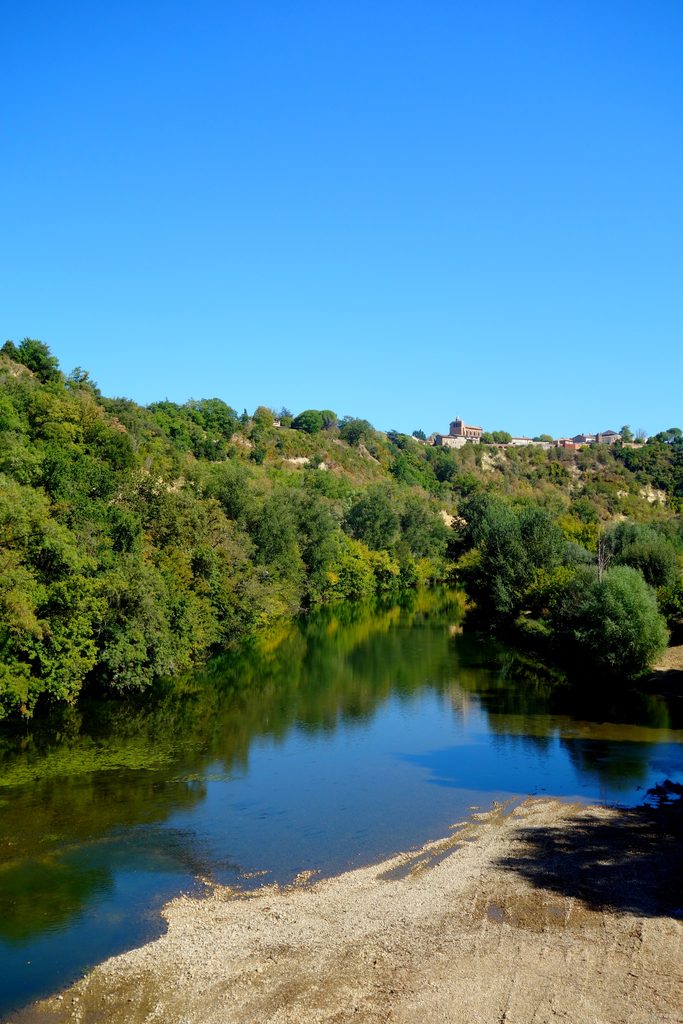
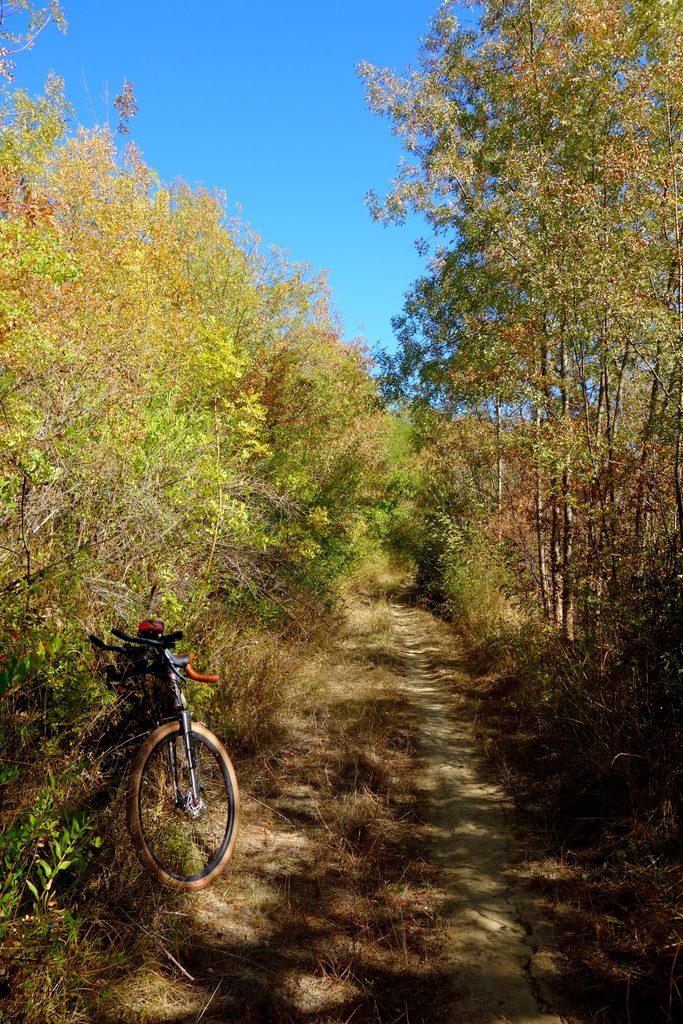
The route for the 8th Surprise Ride will be varied! The restaurant where we’ll be having lunch is still a secret…
There are still significant temperature fluctuations, 10°C this morning and 32°C this afternoon.
The drought is still with us; the land is dry, dry, dry.
Euphoria … It’s a real pleasure to cycle along the trails, through the woodland, on grassy or dirt tracks (there are some lovely ones round here), a change of scenery, at least mentally (a chance to switch off), so close yet so far from the hassles of road traffic (today’s ride also takes in small roads with uneven tarmac and grass reclaiming its territory, at least in the middle of the carriageway); time stands still, and you can take your time … This can be dangerous; some tragic accidents each year serve as a tragic reminder: you’re cycling along a track, feeling good, and cross a small road on a whim, caught up in the euphoria of the moment, without paying attention, forgetting that a vehicle might be coming… It happened to me once, in the Hérault near Le Pouget Canet.
I was cycling along a lovely track flanked by embankments and, lost in my thoughts (I was really enjoying the ride), I crossed a small road without slowing down – a tiny road I hadn’t noticed because of the embankments; I wasn’t familiar with the area… I stopped a few metres further on and realised how lucky I’d been that a car hadn’t been coming at that moment… You mustn’t take that luck for granted; a mistake could be fatal. Riding whilst keeping an eye out for oncoming traffic, especially if you have to cross or turn onto a road (the map on the sat-nav also helps you plan ahead), is not at odds with the enjoyment you get from it. In the same vein, when I set off down a slope on a path or track I’m unfamiliar with, I’m careful; I don’t ease off the brakes as much as I would on a familiar route (the terrain of which may also have changed due to rain, etc. I had one of my worst falls on a path I thought I knew ‘by heart’ and which had been washed out by recent storms). The same applies on a path with reduced visibility, especially when it’s a shared hiking trail… Take care…
Hedgerows… They are gradually reappearing, but it is interesting to look back at their history…
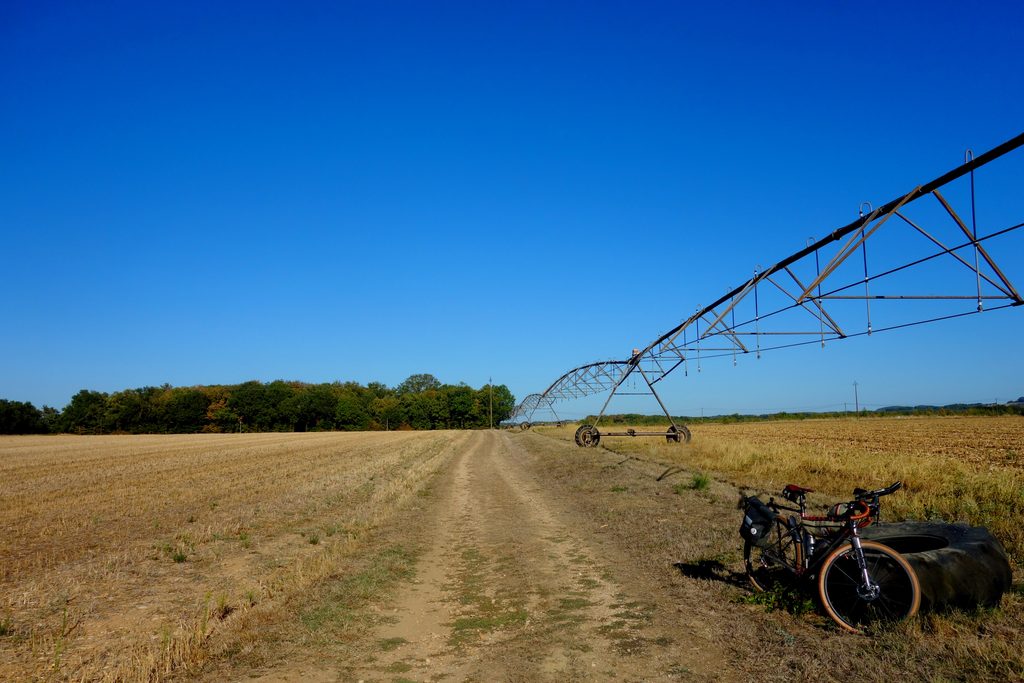
Before 1950, hedgerows were part of the agricultural system; they were not merely a boundary between two fields, but served very practical purposes: enclosing plots and preventing livestock from straying; providing firewood and timber; sometimes producing fruit, fodder and bedding; protecting crops and animals from the wind; retaining soil and slowing the flow of water; and marking property boundaries.
But their decline began before land consolidation: barbed wire, which first appeared during the First World War, reduced their usefulness as fencing; then coal, fuel oil and, gradually, new agricultural techniques diminished their value as a source of wood or fodder. Their removal was the result of a general policy.
Between 1950 and 1970, France sought to produce more with fewer workers and to modernise an agricultural sector that was still highly fragmented.
The political objective was clear: to enlarge farms, facilitate the use of tractors, rationalise plots of land and increase productivity.
It was against this backdrop that land consolidation schemes were developed.
But who was calling for land consolidation?
This is an important point: it was not simply ‘farmers who decided to tear down their hedgerows’.
Land consolidation was a public policy, organised by the State and local authorities, involving administrative procedures and local committees. It formed part of the national agricultural modernisation policy.
In some areas, farmers were the ones driving the process: moving from several small, scattered plots to a few large ones was clearly advantageous for working with tractors.
In others, they were much more reluctant, particularly where hedgerows, embankments, ditches and paths formed a coherent system suited to the landscape.
The State therefore strongly encouraged this transformation. The land consolidation operations of the 1950s–1970s led to the enlargement of plots and the levelling of embankments; it is important to note that, in some cases, this destruction took place against the wishes of certain farmers.
The idea was, at the time, entirely consistent with the desired agricultural model: a large, regular plot is much easier to plough, sow and harvest using a tractor and a combine harvester.
Between 1950 and the present day, around 70 per cent of the total length of hedgerows in the French bocage has disappeared. The authorities attribute this trend mainly to the combined effect of land consolidation, mechanisation, the decline in livestock farming and changes in agricultural systems.
As early as the 1960s, agronomists and naturalists were expressing concern about the disappearance of embankments and hedgerows.
And in 1971, the INA archived a report featuring Breton farmers who were already speaking out against the consequences of land consolidation.
Even more interestingly, in 1972, the Minister for Agriculture, Michel Cointat, himself publicly acknowledged the negative consequences of land consolidation and stated that not everything should be cleared away, as the bocage landscape serves a biological function in particular.
So we began to move gradually from the view that ‘Hedgerows are an obstacle to modernisation’ to the view that ‘Hedgerows also provide benefits to agriculture and the countryside’.
It’s a bit like those major waves of urban greening: parks existed, trees were there, school playgrounds were made of gravel or earth; we concreted everything over under the pretext of modernisation, and now we’re backtracking. Human beings are decidedly very poor learners; they don’t learn from their mistakes…
From the 1970s and 1980s onwards, this line of thinking began to shift.
The hedge gradually became (or rather, reverted to being): a feature of the landscape; a refuge for wildlife; a means of combating erosion; a water-regulating feature; a windbreak; and an aid to agriculture.
Then, with environmental policies and the CAP, subsidies for maintaining and planting hedges gradually emerged.
The paradox is quite extraordinary: for several decades, public funds helped to remove hedgerows; a few decades later, public funds are being channelled into replanting them.
European agricultural policies from the 2000s to the 2010s began, in particular, to incorporate the maintenance of trees and hedgerows into CAP schemes.
Since the 2010s: the hedge has once again become an agricultural tool.
The focus is no longer solely on ‘landscape’.
Its agronomic functions are being rediscovered: windbreak; shade for livestock; erosion control; water infiltration; carbon storage; biodiversity; beneficial insects for crops; and improved soil health.
In 2015, the government launched the first National Plan for the Development of Agroforestry (2015–2020).
The CAP is also beginning to provide greater protection for existing hedgerows. Since 2015, for example, regulations have placed strict limits on their removal and, in certain cases, require them to be relocated and replanted to a length at least equivalent to the original.
Then came the ‘Let’s Plant Hedgerows’ scheme, as part of the 2021–2022 recovery plan.
The current policy is much more ambitious.
In September 2023, the government launched the Hedge Pact, with a target of a net increase of 50,000 km of hedgerows by 2030 and funding of 110 million euros from 2024 onwards.
And the shift in philosophy is interesting: it is no longer simply a matter of telling farmers, ‘Don’t destroy the hedgerows.’
It is about seeking to make hedgerows an economically and agronomically beneficial feature of the farm, through planting, maintenance, timber utilisation, advice to farmers, and so on.
In these plains along the Agout and Tarn rivers, there aren’t many hedgerows, and with these droughts, crops have suffered and the agricultural landscapes are bleak. The woods have also suffered; we’re already seeing this in the number of trees dying in winter as a result of strong winds or storms – they don’t have the strength to withstand them…
Animals have suffered too; game is struggling to find water and natural habitats, which is difficult.
The landscapes will undoubtedly change, as will the crops; water will also become a problem for our countries, which have been privileged until now, because it is a privilege to turn on a tap at home and have water – drinking water, at that – in abundance. It is important to be aware of this and for each of us to try to take care of this precious resource, which is becoming scarce…
Cycling through the countryside, travelling along the paths, allows us to observe these changes, which are nonetheless a cause for concern. Nature is beautiful; humankind has shaped it and exploited it; it is high time we understood this and, above all, took action: natural resources are not inexhaustible…
Translated with DeepL.com (free version)